
Back to Blog
EntertainmentOutdoor LivingFour Seasons
Creating Year-Round Entertainment Spaces
September 22, 2025Valley Design Build5 min read
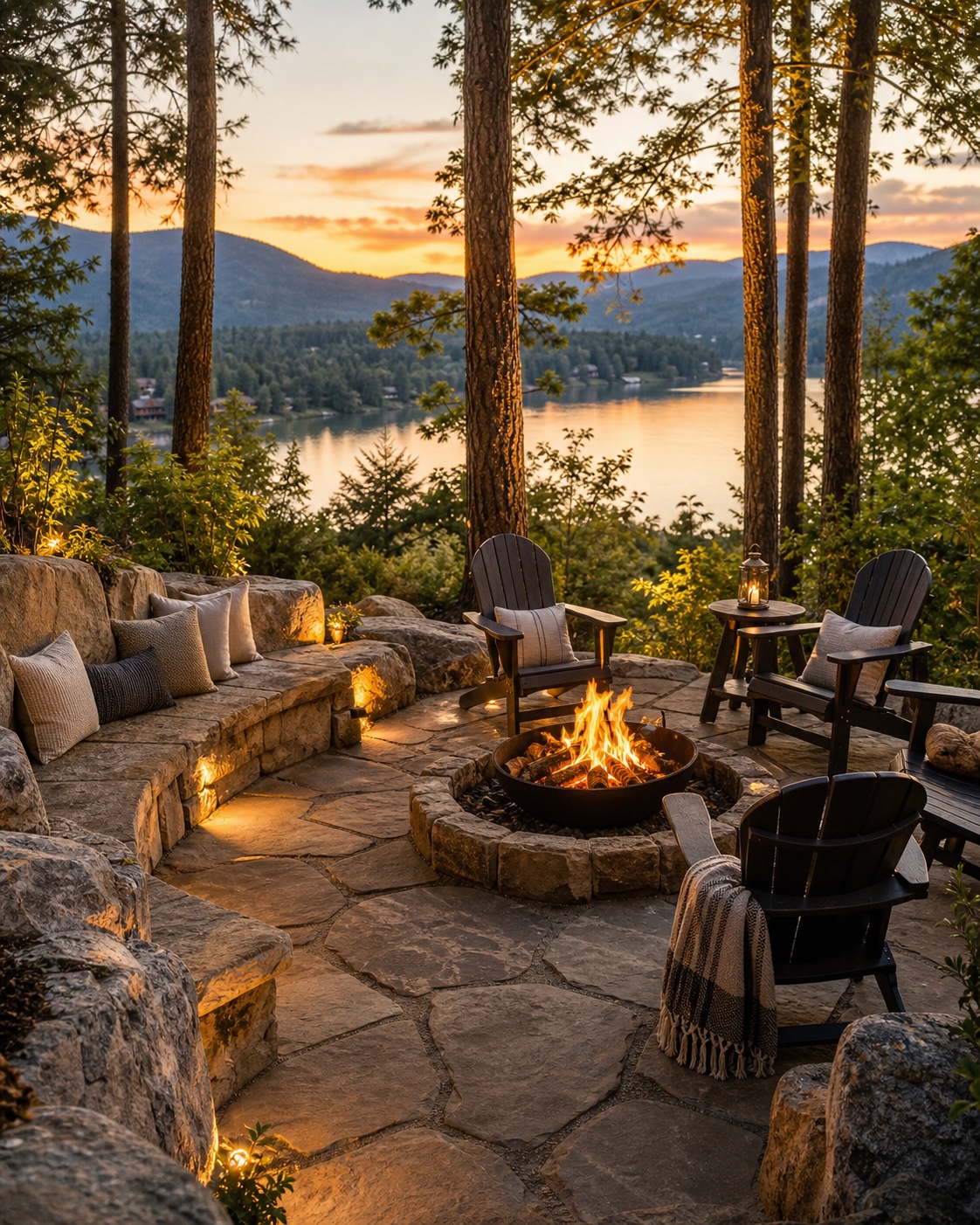
Utah gives us real seasons. Snow-covered winters, pleasant springs, hot summers, and crisp autumns. Most outdoor spaces get abandoned for half the year. But they don't have to.
The secret to year-round outdoor entertainment isn't fighting Utah's climate, it's designing for it.
But what about:
Year-round design anticipates all of these conditions.
Fire Pits The original gathering spot. Fire pits create natural congregation points where people face inward, stay warm, and connect. Options include:
Fire Tables Dining-height fire features that combine warmth with function. Perfect for outdoor dining when temperatures drop.
Outdoor Fireplaces Radiant heat focused on seating areas. Fireplaces create intimate spaces within larger outdoor rooms.
Overhead Heaters Infrared heaters that warm people and objects rather than air. Effective even with some wind.
The right heat strategy depends on your space layout and how you'll use it.
Solid Roof Structures
Pergolas with Covers
Strategic Positioning Sometimes a wall or partial structure blocking prevailing wind extends comfort more than a roof. Understanding your specific conditions helps us design effective shelter.
Task Lighting
Ambient Lighting
Accent Lighting
Good lighting design layers these elements, with controls that allow different moods for different occasions.
Essential Elements
Extended Options
The goal: everything needed to entertain without running inside.
Weather Resistance
Arrangement
Storage
Audio
Visual
Controls
Technology should enhance, not complicate. Simple controls mean features actually get used.
Winter (December-February) Fire features become the centerpiece. Overhead heaters allow dining even in cold. Clear nights mean star viewing. Hot tubs get maximum use.
Spring (March-May) Transition season with variable weather. Retractable covers allow sun when wanted, shelter when needed. Evening fires extend comfortable hours as days warm.
Summer (June-August) Shade becomes critical. Misters or fans help with heat. Evening entertaining extends late into warm nights. Pools and water features see maximum use.
Fall (September-November) Perfect outdoor weather returns. Fire pits for cool evenings. Holiday gatherings outside. Extended enjoyment before winter.
We design complete systems, not disconnected features.
The incremental cost of year-round elements pays back quickly in extended enjoyment.
The secret to year-round outdoor entertainment isn't fighting Utah's climate, it's designing for it.
The Problem with Summer-Only Thinking
Most patios and outdoor areas get designed for July. Big open spaces, shade structures, maybe a grill. They're perfect when it's 85 degrees and sunny.But what about:
- That October evening when it's 55 degrees and cooling fast
- The March weekend when you're desperate to be outside but it's still chilly
- A mild January day when the sun is out but there's no warmth
- Summer afternoons when the sun beats down too intensely
Year-round design anticipates all of these conditions.
Heat: The Great Extender
Nothing extends outdoor season like heat sources:Fire Pits The original gathering spot. Fire pits create natural congregation points where people face inward, stay warm, and connect. Options include:
- Natural gas for instant, clean flames
- Wood-burning for the crackling experience
- Propane for flexibility and portability
Fire Tables Dining-height fire features that combine warmth with function. Perfect for outdoor dining when temperatures drop.
Outdoor Fireplaces Radiant heat focused on seating areas. Fireplaces create intimate spaces within larger outdoor rooms.
Overhead Heaters Infrared heaters that warm people and objects rather than air. Effective even with some wind.
The right heat strategy depends on your space layout and how you'll use it.
Shelter: Managing the Elements
Strategic overhead coverage transforms usability:Solid Roof Structures
- Full rain protection
- Maximum shade
- Ceiling fan mounting
- Lighting installation
- Year-round reliability
Pergolas with Covers
- Retractable fabric options
- Louvered roof systems
- Natural vine coverage
- Partial shade with airflow
Strategic Positioning Sometimes a wall or partial structure blocking prevailing wind extends comfort more than a roof. Understanding your specific conditions helps us design effective shelter.
Lighting: Extending the Day
Quality lighting turns evening into prime time:Task Lighting
- Cooking areas need visibility
- Dining surfaces should be lit
- Stairs and paths require safety lighting
Ambient Lighting
- String lights for casual warmth
- Uplighting on trees and architecture
- Downlighting from structures
- Fire as primary light source
Accent Lighting
- Water feature illumination
- Landscape focal points
- Architectural highlights
Good lighting design layers these elements, with controls that allow different moods for different occasions.
Cooking Facilities
Outdoor kitchens keep the party going regardless of meal prep:Essential Elements
- Grill (gas or charcoal)
- Prep counter space
- Storage for tools and supplies
- Refrigeration
- Lighting for cooking areas
Extended Options
- Pizza ovens
- Smokers
- Side burners
- Warming drawers
- Beverage stations
- Sinks with running water
The goal: everything needed to entertain without running inside.
Comfort Seating
Furniture affects how long people stay:Weather Resistance
- Materials that handle Utah's sun, rain, and snow
- Easy storage or covers for off-season
- Quick-dry fabrics for surprise showers
Arrangement
- Conversation groupings that encourage interaction
- Fire-adjacent seating at proper distances
- Dining areas sized for your typical gatherings
- Flexible pieces that move for different events
Storage
- Built-in benches with storage beneath
- Dedicated shed or cabinet space for cushions
- Quick access for spontaneous entertaining
Technology Integration
Modern outdoor spaces benefit from smart tech:Audio
- Weather-resistant speakers
- Whole-area coverage
- Controllable zones
Visual
- Outdoor TVs for game days
- Projector setups for movie nights
- Weatherproofed displays
Controls
- Lighting automation
- Heat control from your phone
- Audio management
- Fire feature ignition
Technology should enhance, not complicate. Simple controls mean features actually get used.
The Utah Calendar
Here's how a well-designed space works through the year:Winter (December-February) Fire features become the centerpiece. Overhead heaters allow dining even in cold. Clear nights mean star viewing. Hot tubs get maximum use.
Spring (March-May) Transition season with variable weather. Retractable covers allow sun when wanted, shelter when needed. Evening fires extend comfortable hours as days warm.
Summer (June-August) Shade becomes critical. Misters or fans help with heat. Evening entertaining extends late into warm nights. Pools and water features see maximum use.
Fall (September-November) Perfect outdoor weather returns. Fire pits for cool evenings. Holiday gatherings outside. Extended enjoyment before winter.
Design Integration
Year-round functionality can't be an afterthought. These elements need integration from the start:- Gas lines for fire features and heaters
- Electrical for lighting, tech, and kitchen
- Drainage for covered areas
- Structural support for roofs and fixtures
- Traffic flow between zones
We design complete systems, not disconnected features.
The Investment Perspective
Spaces designed for year-round use provide:- 2-3x more usable days per year
- Higher property value
- Better return on outdoor investment
- More family time and memories
The incremental cost of year-round elements pays back quickly in extended enjoyment.
Your Year-Round Vision
Contact Valley Design Build to discuss creating an outdoor space that serves your family every month of the year. Let's design something that makes Utah's seasons a feature, not a limitation.Ready to Talk Through the Site?
Get a free consultation from Valley Design Build.
More from Our Blog
Winter Fun at Home: Private Ice Rinks
A backyard ice rink can make winter easier to enjoy at home. Learn the options, from simple natural ice setups to refrigerated systems.
Read moreCustom Playhouses and Treehouses Built to Last
Custom playhouses and treehouses can be sturdy, safe, and specific to the kids, the yard, and the way the structure will be used.
Read moreWater Features: More Than Just Fountains
Water features can add sound, movement, cooling, and a strong focal point when the basin, pump, stone, and winter plan are handled correctly.
Read more