
Back to Blog
WinterscapeIce RinksFamily Recreation
Winter Fun at Home: Private Ice Rinks
November 28, 2025Valley Design Build5 min read
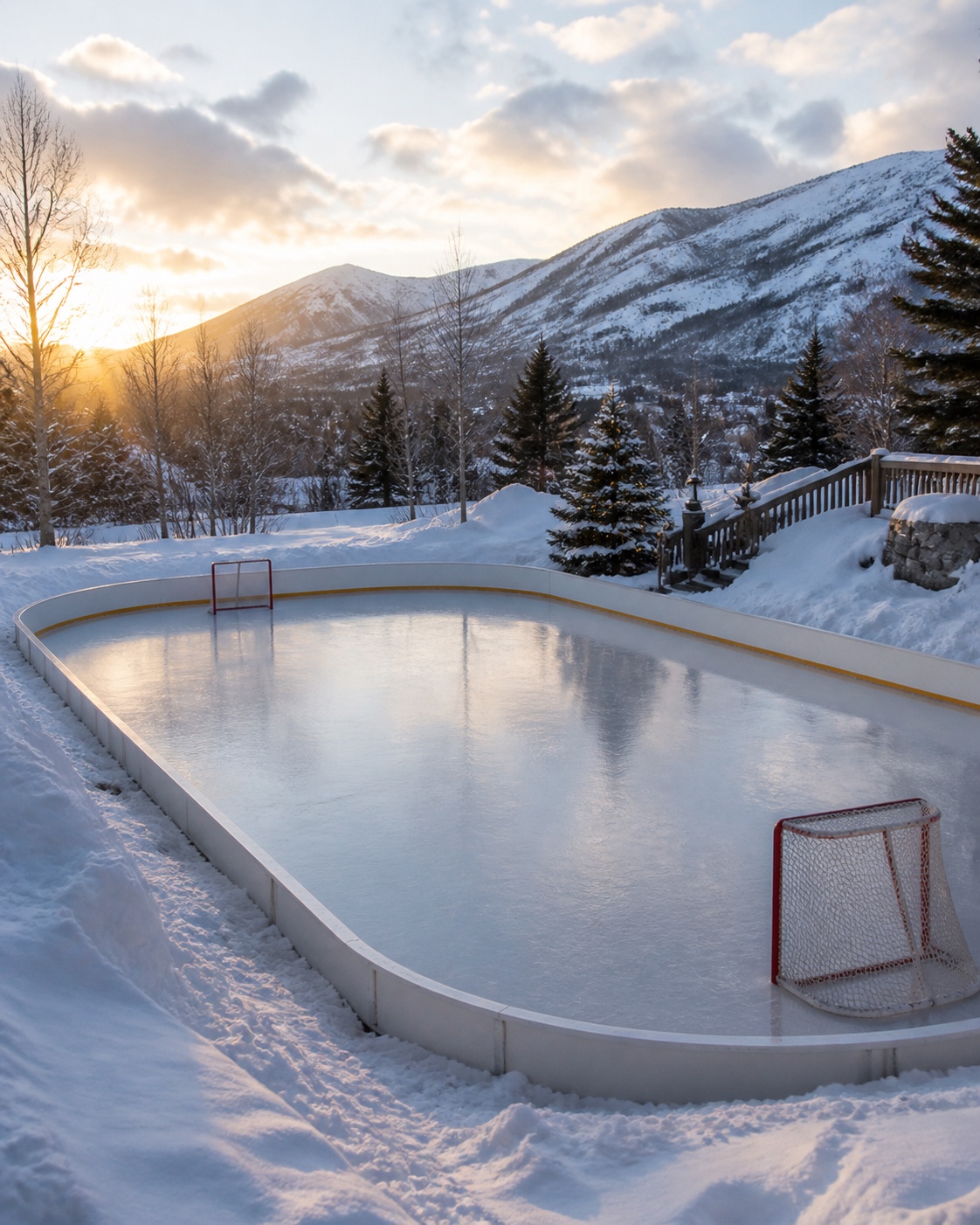
There is something hard to beat about skating on your own ice. The convenience, the privacy, the spontaneous sessions at 10 PM when you just want to glide for a bit. Private ice rinks are showing up in more backyards across Northern Utah.
Convenience No driving to the rink. No public session schedules. No waiting in line for skates. Step outside and skate.
Practice Time Hockey players and figure skaters can practice whenever they want, as often as they want, without rink fees or limited ice time.
Family Activity Ice skating brings families together in a way few activities match. All ages, all skill levels, everyone moving together.
Winter Gathering Birthday parties, holiday gatherings, and neighborhood nights all get easier when the rink is at home.
Better Winters Instead of hibernating through Utah winters, families with rinks have a reason to look forward to cold weather.
How It Works
Advantages
Challenges
Best For Families testing interest or with tight budgets who can accept weather limitations.
How It Works
Advantages
Challenges
Best For Families wanting skating practice without weather dependence, especially for skill development.
How It Works
Advantages
Challenges
Best For Serious skaters, hockey families, or anyone who wants the best home-ice setup.
Size Considerations
Shape Options
Surface Integration For refrigerated systems, the rink base can serve as a sport court, patio, or event space during off-season.
Shelter Options Covered rinks extend season and improve ice quality by blocking sun and precipitation.
Site Assessment We evaluate:
System Design Custom engineering for:
Base Construction The foundation matters:
Mechanical Installation
Ice Making Initial freeze typically takes 24-48 hours, building thin layers for best quality.
Daily Tasks
Weekly Tasks
Seasonal Tasks
We provide training and support to help families manage their rinks successfully.
Initial Costs Include
Operating Costs
Return on Investment
For serious skating families, the math often works in their favor.
Contact us to discuss your winter project. We can help you compare a simple seasonal rink with a more permanent refrigerated setup.
The Appeal of Home Ice
Why do families invest in backyard rinks?Convenience No driving to the rink. No public session schedules. No waiting in line for skates. Step outside and skate.
Practice Time Hockey players and figure skaters can practice whenever they want, as often as they want, without rink fees or limited ice time.
Family Activity Ice skating brings families together in a way few activities match. All ages, all skill levels, everyone moving together.
Winter Gathering Birthday parties, holiday gatherings, and neighborhood nights all get easier when the rink is at home.
Better Winters Instead of hibernating through Utah winters, families with rinks have a reason to look forward to cold weather.
Understanding the Options
Backyard ice comes in several forms:Natural Ice (DIY Approach)
The simplest method uses plastic liner, boards, and winter temperatures:How It Works
- Frame of plywood or commercial boards
- Plastic liner to hold water
- Fill, freeze, maintain
Advantages
- Lowest initial cost
- DIY-friendly
- Flexible sizing
Challenges
- Dependent on consistent cold
- Limited season in Utah (often just December-February)
- Requires frequent maintenance
- Ice quality varies with weather
Best For Families testing interest or with tight budgets who can accept weather limitations.
Synthetic Ice
Plastic panels that simulate ice without refrigeration:How It Works
- Interlocking tiles create skating surface
- Special lubricants reduce friction
- Works at any temperature
Advantages
- Year-round use
- No water or refrigeration
- Minimal maintenance
- Relocatable
Challenges
- Different feel than real ice
- More resistance (harder workout)
- Increased skate wear
- Visible seams between panels
Best For Families wanting skating practice without weather dependence, especially for skill development.
Refrigerated Systems
Professional ice-making for residential use:How It Works
- Glycol chiller system maintains temperature
- Insulated base and tubing grid
- Controlled environment independent of weather
Advantages
- Real ice quality
- Extended season (October-April in Utah)
- Consistent conditions
- Professional-grade surface
Challenges
- Significant investment
- Higher operating costs
- Professional installation required
- Ongoing maintenance needs
Best For Serious skaters, hockey families, or anyone who wants the best home-ice setup.
Designing Your Rink
Several factors influence rink design:Size Considerations
- 20x40 feet: Minimum for casual skating
- 30x50 feet: Comfortable family skating
- 40x80 feet: Small hockey practice
- Full NHL: 85x200 feet (most backyards can't accommodate)
Shape Options
- Rectangular for hockey and structured skating
- Rounded corners for natural feel
- Custom shapes to fit unusual spaces
Surface Integration For refrigerated systems, the rink base can serve as a sport court, patio, or event space during off-season.
Shelter Options Covered rinks extend season and improve ice quality by blocking sun and precipitation.
The Refrigerated Rink Process
For families choosing refrigerated systems:Site Assessment We evaluate:
- Available space and location
- Sun exposure (shade extends season)
- Access for equipment
- Electrical capacity
- Drainage considerations
System Design Custom engineering for:
- Appropriate chiller sizing
- Pipe layout for even freezing
- Insulation requirements
- Control systems
Base Construction The foundation matters:
- Proper drainage below
- Insulated base layer
- Level surface (critical for ice quality)
- Structural support for boards
Mechanical Installation
- Chiller placement
- Piping connections
- Electrical work
- Control system setup
Ice Making Initial freeze typically takes 24-48 hours, building thin layers for best quality.
Operating Your Rink
Running a home rink requires attention:Daily Tasks
- Snow removal after snowfall
- Surface inspection
- Flood as needed for resurfacing
Weekly Tasks
- Edge maintenance
- Equipment checks
- Deep cleaning
Seasonal Tasks
- System startup and shutdown
- Glycol testing
- Component inspection
We provide training and support to help families manage their rinks successfully.
The Investment Question
Refrigerated rinks require significant investment:Initial Costs Include
- Chiller system
- Piping and materials
- Base construction
- Boards and safety features
- Lighting and accessories
Operating Costs
- Electricity for refrigeration
- Water for resurfacing
- Maintenance supplies
- Occasional repairs
Return on Investment
- Thousands of dollars saved on rink fees
- Practice time without hourly costs
- Entertainment value for parties and gatherings
- Property value enhancement
- Priceless family memories
For serious skating families, the math often works in their favor.
Starting Small
Not ready for refrigeration? Consider:- Natural ice test season - Try a DIY rink to confirm family commitment
- Synthetic ice panels - Develop skills before investing in real ice
- Future-ready design - We can prepare infrastructure for later refrigeration
Making It Happen
Whether you want advice on a DIY project or a full refrigerated system, Valley Design Build can help. We've installed rinks from basic natural ice setups to professional-grade systems.Contact us to discuss your winter project. We can help you compare a simple seasonal rink with a more permanent refrigerated setup.
Ready to Talk Through the Site?
Get a free consultation from Valley Design Build.
More from Our Blog
Custom Playhouses and Treehouses Built to Last
Custom playhouses and treehouses can be sturdy, safe, and specific to the kids, the yard, and the way the structure will be used.
Read moreCreating Year-Round Entertainment Spaces
Utah's four seasons don't have to limit your outdoor entertaining. Learn how to design spaces that work beautifully from January through December.
Read moreWater Features: More Than Just Fountains
Water features can add sound, movement, cooling, and a strong focal point when the basin, pump, stone, and winter plan are handled correctly.
Read more