
Back to Blog
PlayhousesKids SpacesCustom Design
Custom Playhouses and Treehouses Built to Last
October 25, 2025Valley Design Build5 min read
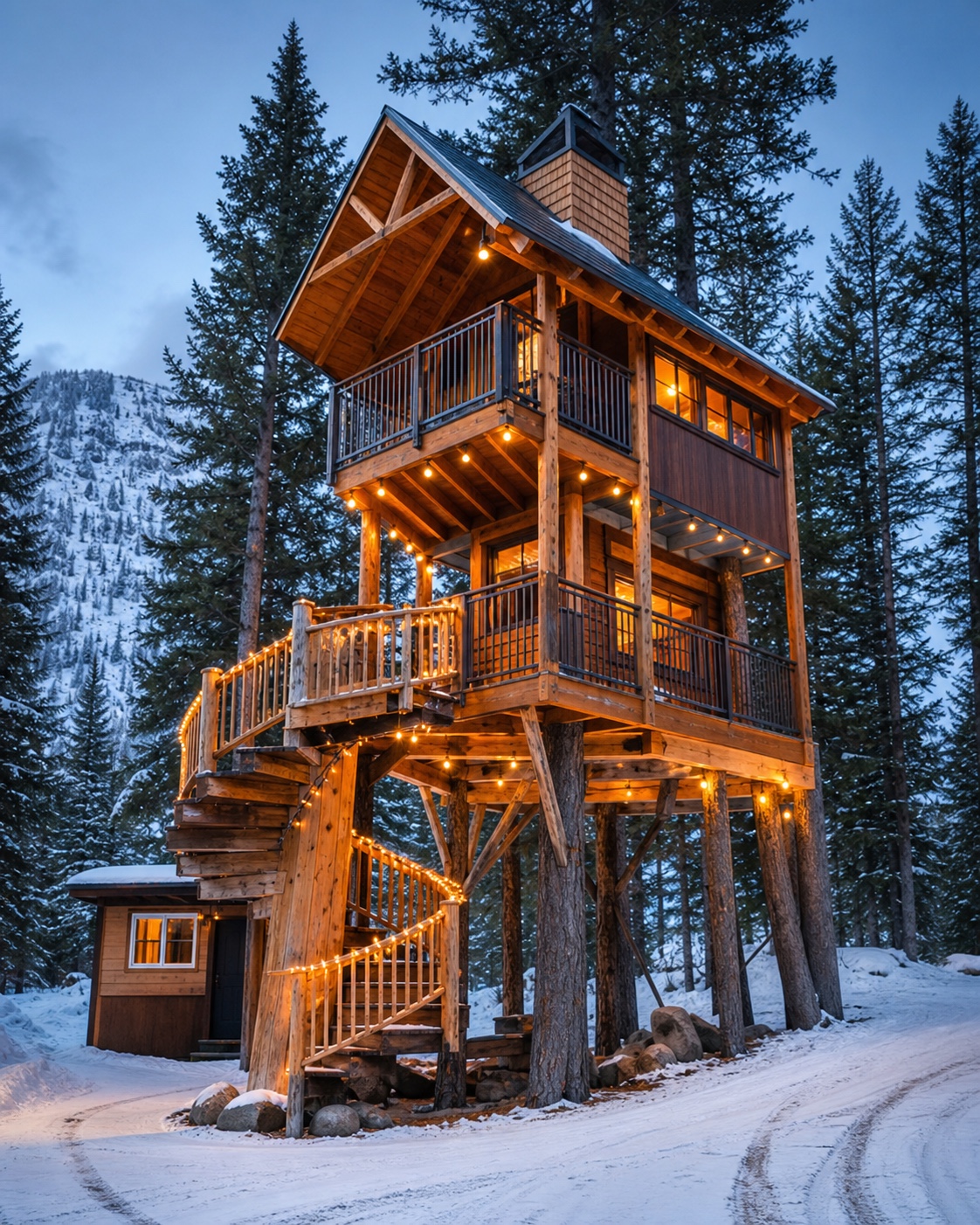
Remember the clubhouse you wished you had as a kid? The tree fort in the woods, the secret hideaway, the place that felt like yours?
Today's custom playhouses can be built with real structure, safe access, durable materials, and enough detail to stay interesting for years.
But they're also:
Custom playhouses approach the problem differently.
Who will use this? A structure for toddlers differs entirely from one designed for pre-teens. Often, we design for a range, challenging enough for older kids while safe for younger ones.
What kind of play matters?
What inspires this child? Ships, castles, treehouses, log cabins, space stations, the theme drives design decisions that make the structure feel like more than a playground.
How will this evolve? Kids grow fast. A structure that works for a 5-year-old should still engage a 12-year-old, perhaps with modifications or additions along the way.
Timber Framing Heavy posts and beams create structures that feel permanent. Proper joinery techniques mean connections that strengthen over time rather than loosening.
Cedar and Redwood Naturally rot-resistant woods that weather beautifully and resist insects without chemical treatment.
Steel Hardware Hot-dipped galvanized or stainless steel connections that won't rust or weaken.
Quality Fasteners Structural screws and bolts rather than nails. Connections you can trust for climbing, swinging, and years of heavy use.
Composite Elements Modern materials for high-wear surfaces like slides and platforms, combining durability with safety.
Vertical Challenge
Horizontal Movement
Swinging and Spinning
Imaginative Elements
Working with Living Trees Trees grow and move. Proper treehouse design accounts for:
Freestanding "Treehouses" When trees are not available or suitable, we build freestanding structures with elevation, shade, and placement that still feel tucked into the yard.
Hybrid Approaches Sometimes the best solution combines tree support with ground-based structure, taking advantage of trees without depending entirely on them.
Fall Zones Proper surfacing under and around climbing elements, rubber mulch, engineered wood fiber, or poured rubber surfaces.
Guardrails and Barriers Appropriate protection at heights, with attention to spacing that prevents entrapment.
Age-Appropriate Challenge Difficulty calibrated to users, with features that challenge without overwhelming.
Structural Engineering Calculations that ensure stability under heavy loads and dynamic forces from swinging and jumping.
Consultation We meet your family, learn about your kids, and understand what kind of play you want to encourage.
Concept Development Initial sketches and ideas, often developed with input from the kids who'll use the structure.
Design Refinement Detailed plans including materials, features, and site integration.
Construction Typically 2-4 weeks depending on complexity, with structures built to last generations.
First Play The moment it all becomes real, watching kids discover their new space.
Landscape Connection Plantings, paths, and landforms that make the structure feel intentional and integrated.
Complementary Design Materials and styles that relate to your home's architecture.
Future Flexibility Space for additions and modifications as kids grow and interests change.
Adult Appeal Structures that look good from patios and windows, not eyesores that adults tolerate.
The investment in quality pays dividends for decades.
Today's custom playhouses can be built with real structure, safe access, durable materials, and enough detail to stay interesting for years.
Beyond the Plastic Castle
Walk through any big-box store and you'll see rows of plastic playsets. They're fine. They work. Kids play on them.But they're also:
- Generic and forgettable
- Designed for minimal age ranges
- Built to last a few years
- Placed in your yard, not integrated with it
- Made for function, not imagination
Custom playhouses approach the problem differently.
Design Thinking for Play
When we design a playhouse, we start with questions:Who will use this? A structure for toddlers differs entirely from one designed for pre-teens. Often, we design for a range, challenging enough for older kids while safe for younger ones.
What kind of play matters?
- Active climbing and movement
- Imaginative role-playing
- Social gathering with friends
- Quiet reading and thinking
- Multi-purpose flexibility
What inspires this child? Ships, castles, treehouses, log cabins, space stations, the theme drives design decisions that make the structure feel like more than a playground.
How will this evolve? Kids grow fast. A structure that works for a 5-year-old should still engage a 12-year-old, perhaps with modifications or additions along the way.
Materials That Last
Custom structures use materials built for decades:Timber Framing Heavy posts and beams create structures that feel permanent. Proper joinery techniques mean connections that strengthen over time rather than loosening.
Cedar and Redwood Naturally rot-resistant woods that weather beautifully and resist insects without chemical treatment.
Steel Hardware Hot-dipped galvanized or stainless steel connections that won't rust or weaken.
Quality Fasteners Structural screws and bolts rather than nails. Connections you can trust for climbing, swinging, and years of heavy use.
Composite Elements Modern materials for high-wear surfaces like slides and platforms, combining durability with safety.
Features That Engage
The best playhouses offer variety:Vertical Challenge
- Climbing walls with different difficulty zones
- Rope ladders and cargo nets
- Pole slides for quick descents
- Loft levels and elevated platforms
Horizontal Movement
- Monkey bars and overhead challenges
- Bridges between structures
- Tunnels and enclosed pathways
- Balance beams and slack lines
Swinging and Spinning
- Traditional swings sized appropriately
- Tire swings for group play
- Spinners and rotating elements
- Trapeze bars and gymnastics features
Imaginative Elements
- Steering wheels and control panels
- Telescopes and periscopes
- Secret compartments and hidden spaces
- Themed decorations and signage
Tree Integration
For many families, the goal is a treehouse:Working with Living Trees Trees grow and move. Proper treehouse design accounts for:
- Growth over time
- Wind movement
- Branch health and stability
- Impact on the tree's wellbeing
Freestanding "Treehouses" When trees are not available or suitable, we build freestanding structures with elevation, shade, and placement that still feel tucked into the yard.
Hybrid Approaches Sometimes the best solution combines tree support with ground-based structure, taking advantage of trees without depending entirely on them.
Safety Without Compromise
Custom doesn't mean unsafe. Our structures meet or exceed playground safety standards:Fall Zones Proper surfacing under and around climbing elements, rubber mulch, engineered wood fiber, or poured rubber surfaces.
Guardrails and Barriers Appropriate protection at heights, with attention to spacing that prevents entrapment.
Age-Appropriate Challenge Difficulty calibrated to users, with features that challenge without overwhelming.
Structural Engineering Calculations that ensure stability under heavy loads and dynamic forces from swinging and jumping.
The Process
Building a custom playhouse follows a clear path:Consultation We meet your family, learn about your kids, and understand what kind of play you want to encourage.
Concept Development Initial sketches and ideas, often developed with input from the kids who'll use the structure.
Design Refinement Detailed plans including materials, features, and site integration.
Construction Typically 2-4 weeks depending on complexity, with structures built to last generations.
First Play The moment it all becomes real, watching kids discover their new space.
Integration with Property
A playhouse shouldn't look like an afterthought:Landscape Connection Plantings, paths, and landforms that make the structure feel intentional and integrated.
Complementary Design Materials and styles that relate to your home's architecture.
Future Flexibility Space for additions and modifications as kids grow and interests change.
Adult Appeal Structures that look good from patios and windows, not eyesores that adults tolerate.
The Long View
Well-built playhouses become:- Gathering spots for neighborhood kids
- Backdrops for birthday parties
- Quiet retreats for reading
- Homework hideaways for older kids
- Eventually, treasures for grandchildren
The investment in quality pays dividends for decades.
Starting Your Project
Ready to create something special? Contact Valley Design Build for a consultation. Let's build the playhouse you wished you'd had, for the kids who'll actually have it.Ready to Talk Through the Site?
Get a free consultation from Valley Design Build.
More from Our Blog
Winter Fun at Home: Private Ice Rinks
A backyard ice rink can make winter easier to enjoy at home. Learn the options, from simple natural ice setups to refrigerated systems.
Read moreCreating Year-Round Entertainment Spaces
Utah's four seasons don't have to limit your outdoor entertaining. Learn how to design spaces that work beautifully from January through December.
Read moreWater Features: More Than Just Fountains
Water features can add sound, movement, cooling, and a strong focal point when the basin, pump, stone, and winter plan are handled correctly.
Read more