
Back to Blog
Landmark FeaturesCustom DesignOutdoor ArtLuxury Landscape
Custom Landmark Features for Utah Properties
May 15, 2025Valley Design Build7 min read
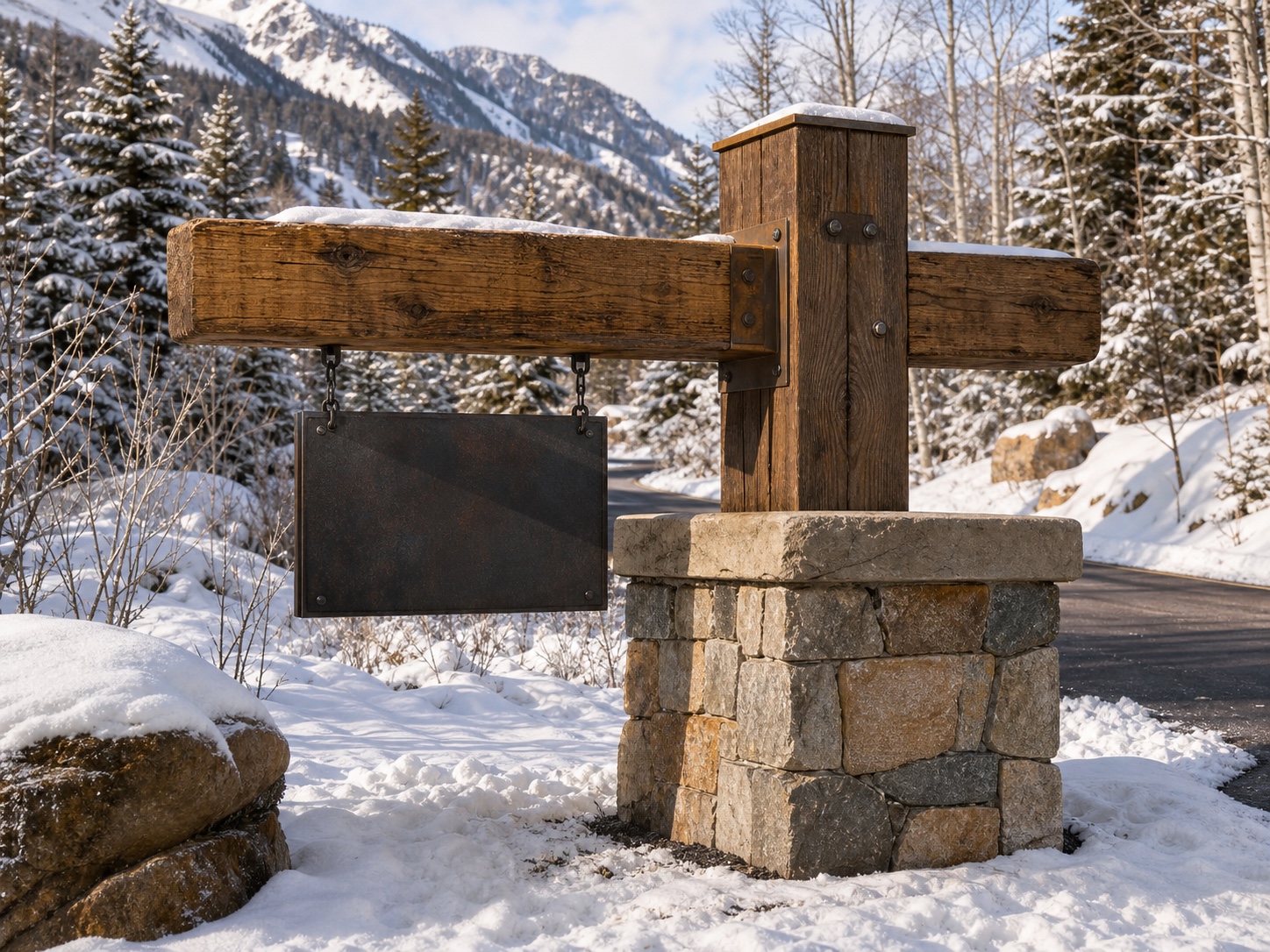
Some properties have one element you remember: a water wall, a stone entry, a fire feature, a bridge, a small structure, or a piece of custom metalwork. It is usually not the biggest thing on the site. It is the thing that feels specific.
We call these landmark features. They are custom elements designed for one site, one owner, and one practical set of constraints.
Singularity They do not come from a catalog. They are designed for a specific site, a specific owner, and a specific use. No one else has one exactly like it.
Scale Not necessarily massive, but appropriately sized to command attention without overwhelming the space. A small property might have a striking sculptural element. A large estate might feature a dramatic installation.
Craftsmanship The details reward close inspection. Materials are selected for beauty and durability. Execution reflects skill that can't be rushed.
Purpose Beyond aesthetics, landmark features often serve functional roles, gathering places, wayfinding elements, conversation starters, or connection points between landscape zones.
Large Waterfalls Not the trickling streams sold at garden centers. Think boulder cascades, sheer-descent walls, or naturalistic falls that fit the grade.
Sculptural Fountains Custom-designed forms that spray, arc, and dance. Modern geometric shapes or organic curves that reflect your aesthetic.
Water Walls and Rain Curtains Vertical sheets of water falling down stone, steel, or glass. The sound can change the whole feel of a patio or entry.
Fire and Water Combinations The impossible made real, fire burning on water surfaces, flames framed by falling sheets. The contrast creates hypnotic focal points.
Pavilions and Follies Open-air rooms, shade structures, and small buildings that give the landscape a clear anchor.
Monumental Stairs Floating steps, curved approaches, or larger risers that make a grade change feel intentional.
Bridges and Walkways Connections that become features themselves: spanning water, ravines, or garden rooms with strong structure.
Portal Entries Entries that mark a real transition from public to private, frame a view, or make the first step onto the property feel considered.
Fire Pits Beyond the prefab ring, custom-formed basins, sunken fire circles, or elevated vessels that become gathering anchors.
Fire Walls Linear flames emerging from stone, concrete, or steel. Modern statements that define edges and create warmth.
Fire Bowls and Sculptures Freestanding fire elements as artistic focal points. Custom metalwork, concrete forms, or natural stone vessels.
Boulder Compositions Carefully selected and placed stones creating natural drama, accent boulders, specimen rocks, or arranged formations.
Stone Sculptures Carved or constructed stone as art, totems, abstract forms, or representational pieces.
Dry-Stack Walls Traditional technique at dramatic scale, curved walls, massive block construction, or intricate patterns.
Living Walls Vertical gardens as art, patterned plantings, modular systems, or naturalistic vertical landscapes.
Artistic Lighting Light as landmark: LED installations, fiber optic elements, or projection mapping that changes how the site feels after dark.
Sound Installations Wind harps, chimes, or acoustic elements that add sonic dimension to the landscape.
Custom Play Features Climbing sculptures, adventure towers, or artistic play structures that serve function while creating presence.
We sketch possibilities before narrowing them down. Some ideas will be too expensive, too fussy, or too hard to maintain. That is useful to know early.
We bring references, images, materials, and techniques to give the conversation something concrete. What excites you? What feels wrong?
The concept that resonates gets developed in detail. We consider sightlines, scale, materials, lighting, and how the feature relates to everything around it.
We build models or create renderings when visualization helps. Some features need to be seen to be approved.
Landmark features often require specialized fabricators: metal artists, stone workers, water feature engineers, lighting installers, or concrete crews. We coordinate the right people for the piece.
Installation is where the planning gets tested. Large elements arrive, elevations are checked, utilities connect, water runs, and the final details get tightened.
Approach and Discovery Should the feature be visible immediately, or appear as visitors move through the property? Both approaches work, but they ask for different placement.
Viewing Angles Most landmark features have a primary view, but people will see them from several angles. Those secondary views still matter.
Scale Relationships A feature must balance with its surroundings, house, landscape, hardscape. Too small disappears; too large overwhelms.
Lighting Requirements Daytime presence differs from evening use. Lighting, reflection, flame, and shadow can make the feature work after dark.
Maintenance Access Practical considerations can't be ignored. Water features need plumbing access. Plantings need care. Fire elements need fuel.
Why the Range? Costs vary dramatically based on scale, materials, complexity, and craftsmanship requirements. A custom fire pit might cost $15,000. A sculptural water feature installation might reach $150,000+.
Value Creation Unlike many improvements, landmark features can substantially impact property value. The right feature on the right property attracts buyers who recognize uniqueness and pay accordingly.
Durability Investment Quality landmark features are designed to last. Stone endures. Properly engineered water systems run for decades. Fire features built with commercial-grade components perform reliably.
Daily Presence You see it every day. It should reward repeated viewing, revealing new details or creating different moods as light changes.
Gathering Point Many landmark features become the natural place where people congregate. Design should anticipate this and provide for it.
Conversation Starter Visitors will ask about it. Part of the feature's value is the story it allows you to tell.
Pride The best reason for a landmark feature is how it makes you feel about your property. That satisfaction compounds over years of ownership.
The best landmark features do not feel pasted on. They feel like they belong to the property.
Contact Valley Design Build at (801) 510-7142 to discuss landmark possibilities. We can help turn a one-off idea into something buildable.
We call these landmark features. They are custom elements designed for one site, one owner, and one practical set of constraints.
What Makes a Landmark Feature?
Landmark features share certain qualities:Singularity They do not come from a catalog. They are designed for a specific site, a specific owner, and a specific use. No one else has one exactly like it.
Scale Not necessarily massive, but appropriately sized to command attention without overwhelming the space. A small property might have a striking sculptural element. A large estate might feature a dramatic installation.
Craftsmanship The details reward close inspection. Materials are selected for beauty and durability. Execution reflects skill that can't be rushed.
Purpose Beyond aesthetics, landmark features often serve functional roles, gathering places, wayfinding elements, conversation starters, or connection points between landscape zones.
Types of Landmark Features
Sculptural Water Features
Water in motion captures attention like nothing else:Large Waterfalls Not the trickling streams sold at garden centers. Think boulder cascades, sheer-descent walls, or naturalistic falls that fit the grade.
Sculptural Fountains Custom-designed forms that spray, arc, and dance. Modern geometric shapes or organic curves that reflect your aesthetic.
Water Walls and Rain Curtains Vertical sheets of water falling down stone, steel, or glass. The sound can change the whole feel of a patio or entry.
Fire and Water Combinations The impossible made real, fire burning on water surfaces, flames framed by falling sheets. The contrast creates hypnotic focal points.
Architectural Elements
Built structures that anchor the landscape:Pavilions and Follies Open-air rooms, shade structures, and small buildings that give the landscape a clear anchor.
Monumental Stairs Floating steps, curved approaches, or larger risers that make a grade change feel intentional.
Bridges and Walkways Connections that become features themselves: spanning water, ravines, or garden rooms with strong structure.
Portal Entries Entries that mark a real transition from public to private, frame a view, or make the first step onto the property feel considered.
Fire Features
Primal elements that gather people:Fire Pits Beyond the prefab ring, custom-formed basins, sunken fire circles, or elevated vessels that become gathering anchors.
Fire Walls Linear flames emerging from stone, concrete, or steel. Modern statements that define edges and create warmth.
Fire Bowls and Sculptures Freestanding fire elements as artistic focal points. Custom metalwork, concrete forms, or natural stone vessels.
Custom Stonework
The ancient material, reimagined:Boulder Compositions Carefully selected and placed stones creating natural drama, accent boulders, specimen rocks, or arranged formations.
Stone Sculptures Carved or constructed stone as art, totems, abstract forms, or representational pieces.
Dry-Stack Walls Traditional technique at dramatic scale, curved walls, massive block construction, or intricate patterns.
Unique Installations
Features that defy category:Living Walls Vertical gardens as art, patterned plantings, modular systems, or naturalistic vertical landscapes.
Artistic Lighting Light as landmark: LED installations, fiber optic elements, or projection mapping that changes how the site feels after dark.
Sound Installations Wind harps, chimes, or acoustic elements that add sonic dimension to the landscape.
Custom Play Features Climbing sculptures, adventure towers, or artistic play structures that serve function while creating presence.
The Design Process
Landmark features emerge from a different process than standard landscape work:Discovery
We begin by understanding what would be meaningful:- What stops you when you travel? What captures your attention?
- Where do people naturally enter, gather, or slow down?
- What would make the property feel more like yours?
- What feels missing from the site right now?
Concept Exploration
Initial ideas push boundaries:We sketch possibilities before narrowing them down. Some ideas will be too expensive, too fussy, or too hard to maintain. That is useful to know early.
We bring references, images, materials, and techniques to give the conversation something concrete. What excites you? What feels wrong?
Refinement
From many possibilities, focus emerges:The concept that resonates gets developed in detail. We consider sightlines, scale, materials, lighting, and how the feature relates to everything around it.
We build models or create renderings when visualization helps. Some features need to be seen to be approved.
Fabrication and Installation
Execution matches ambition:Landmark features often require specialized fabricators: metal artists, stone workers, water feature engineers, lighting installers, or concrete crews. We coordinate the right people for the piece.
Installation is where the planning gets tested. Large elements arrive, elevations are checked, utilities connect, water runs, and the final details get tightened.
Site Considerations
Where and how a landmark feature is placed matters as much as what it is:Approach and Discovery Should the feature be visible immediately, or appear as visitors move through the property? Both approaches work, but they ask for different placement.
Viewing Angles Most landmark features have a primary view, but people will see them from several angles. Those secondary views still matter.
Scale Relationships A feature must balance with its surroundings, house, landscape, hardscape. Too small disappears; too large overwhelms.
Lighting Requirements Daytime presence differs from evening use. Lighting, reflection, flame, and shadow can make the feature work after dark.
Maintenance Access Practical considerations can't be ignored. Water features need plumbing access. Plantings need care. Fire elements need fuel.
Investment Considerations
Landmark features represent significant investment:Why the Range? Costs vary dramatically based on scale, materials, complexity, and craftsmanship requirements. A custom fire pit might cost $15,000. A sculptural water feature installation might reach $150,000+.
Value Creation Unlike many improvements, landmark features can substantially impact property value. The right feature on the right property attracts buyers who recognize uniqueness and pay accordingly.
Durability Investment Quality landmark features are designed to last. Stone endures. Properly engineered water systems run for decades. Fire features built with commercial-grade components perform reliably.
Living with Landmark Features
A great landmark feature improves daily life:Daily Presence You see it every day. It should reward repeated viewing, revealing new details or creating different moods as light changes.
Gathering Point Many landmark features become the natural place where people congregate. Design should anticipate this and provide for it.
Conversation Starter Visitors will ask about it. Part of the feature's value is the story it allows you to tell.
Pride The best reason for a landmark feature is how it makes you feel about your property. That satisfaction compounds over years of ownership.
Making It Happen
Here is how the process usually works:- Idea review - We look at references, goals, and site constraints
- Site analysis - Identifying opportunities your property offers
- Concept development - Multiple approaches for your consideration
- Detailed design - Engineering and visualization of the selected concept
- Fabrication coordination - Engaging the right craftspeople
- Installation - Setting the feature, connecting systems, and finishing details
- Walkthrough - Reviewing the finished piece and maintenance details
The best landmark features do not feel pasted on. They feel like they belong to the property.
Contact Valley Design Build at (801) 510-7142 to discuss landmark possibilities. We can help turn a one-off idea into something buildable.
Ready to Talk Through the Site?
Get a free consultation from Valley Design Build.
More from Our Blog
Winter Fun at Home: Private Ice Rinks
A backyard ice rink can make winter easier to enjoy at home. Learn the options, from simple natural ice setups to refrigerated systems.
Read moreCustom Playhouses and Treehouses Built to Last
Custom playhouses and treehouses can be sturdy, safe, and specific to the kids, the yard, and the way the structure will be used.
Read moreCreating Year-Round Entertainment Spaces
Utah's four seasons don't have to limit your outdoor entertaining. Learn how to design spaces that work beautifully from January through December.
Read more